From the Courtroom to Paddan Aram: How My Legal Background Shapes My Writing
I think we owe Rachel a massive apology.
Because I’m not convinced she did the things we’ve spent the last 3,000 years accusing her of.
Somehow, over centuries of retelling her story, assumptions have become facts:
The Bible tells us Rachel was beautiful, and we decided she was vain.
After years of watching her sister have children while she couldn’t, Rachel cried out to Jacob in anguish, and we decided she was bitter and discontent.
It tells us Rachel took her father’s household idols and we decided she worshipped them.
It tells us that when Laban searched for the idols, Rachel said she had her period so couldn’t stand, and we decided she was lying.
But where’s the evidence?
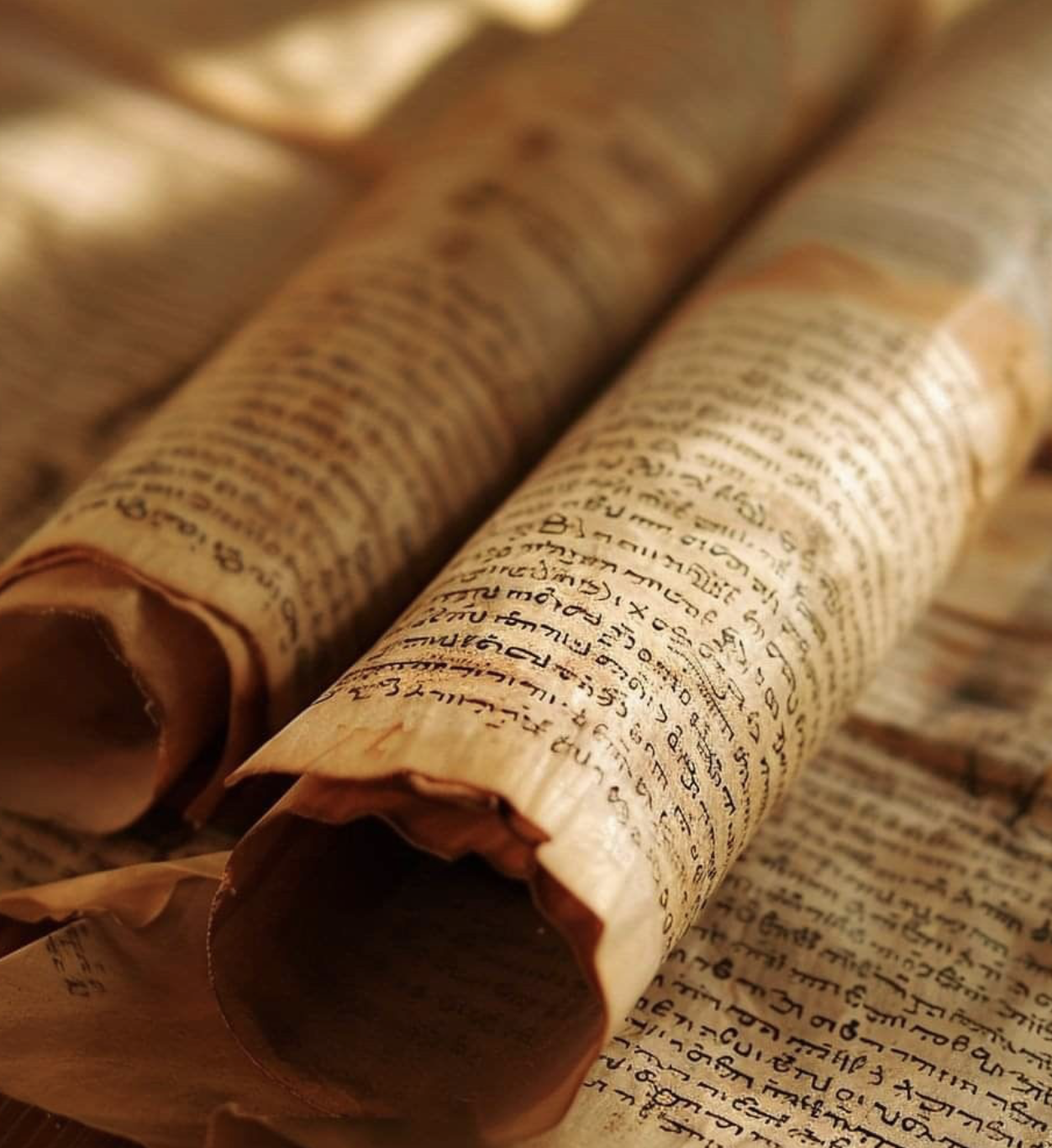
As a litigation lawyer, my job was to find the truth buried under mountains of documents. I’d create witness statements and timelines, weighing every piece of evidence. It was painstaking work, but it mattered, because only the facts were relevant.
And I never did it alone. I’d run the case past a colleague usually Pete, who is now my husband, to make sure the case was sound.
I no longer work in a law firm, but those analytical skills never left. When I began writing Biblical fiction, I approached research in much the same way, starting with the source document, the Bible. I read it word by word, intentionally stripping away assumptions and avoiding commentaries to simply look at the facts.
Once the known facts are clear, I look at the original Hebrew, where place names and personal names hold so much weight. I look for symbols, patterns, and repeating phrases that unlock the true context of the story. And because iron sharpens iron, my friend and research partner, Jess, and I always start with prayer, asking God to correct any wrong conclusions and show us what we’re missing.
When I researched Genesis this same way, something remarkable happened: The case against Rachel became what we in the legal field call a straw man. There was nothing to substantiate it.
The Rachel who emerged wasn't spoiled, arrogant, or bitter, but a woman deeply loved and deeply wounded, trying to survive a heartbreaking, messy family dynamic. Metaphorically, I saw she represented the bride of Christ, while Leah, striving to obtain a love she could never secure by her own efforts, represented the law.
Real life is messy. Families are complicated. People make mistakes and hurt one another. Sometimes we respond badly to things that hurt us deeply - and sometimes we’re judged for things we never actually did.
The more clearly I saw Rachel, the more compassion I felt for her. And it made me wonder how often we do the same thing to other characters in Scripture - and the people in our own lives.
How often do we take one sentence, one reaction, one difficult decision and build an entire story around it?
How often do we fill in the gaps with assumptions until the person we’re judging bears little resemblance to the person who’s actually there?
I had to set the record straight, to write Rachel’s story and the stories of those around her with the compassion and understanding she deserved. Jessi was so moved by the Rachel we discovered that she named her own daughter Rachel Beth. For me, that same discovery gave birth to a creative child of my own: a novel written to give Rachel the compassion and understanding I believe she deserves. Rachel, Beloved of Israel was born.
If you've ever been misunderstood, misjudged, overlooked or found yourself trying to navigate a complicated season you never expected, you may find a friend in Rachel too. Maybe Rachel deserves your fair hearing too?
I’d love you to join me on this journey as we learn what it means to live as God's beloved.
If you’d like to follow the journey toward publication of Rachel, Beloved of Israel, you can join my monthly letters. I’ll send you the first chapter of the novel and my seven-day devotional designed to sit alongside the book. You’ll also be among the first to hear when the book is published and to receive an invitation to join my launch team.
And if you’re a literary agent, publisher, or reader who loves deeply researched, scripturally faithful historical fiction, I’d love to hear from you.